Using Hexagonal Architecture for Mobile Applications
Overview
- Testability
- Separation of application and domain logic
- Loosely coupled User Interface
- Independence
- of external frameworks
- of external agencies

Photo by Joshua Earle on Unsplash
Mobile Applications
- No different goals from general applications
- Difference in testability
- Existence of code not runnable on development hardware
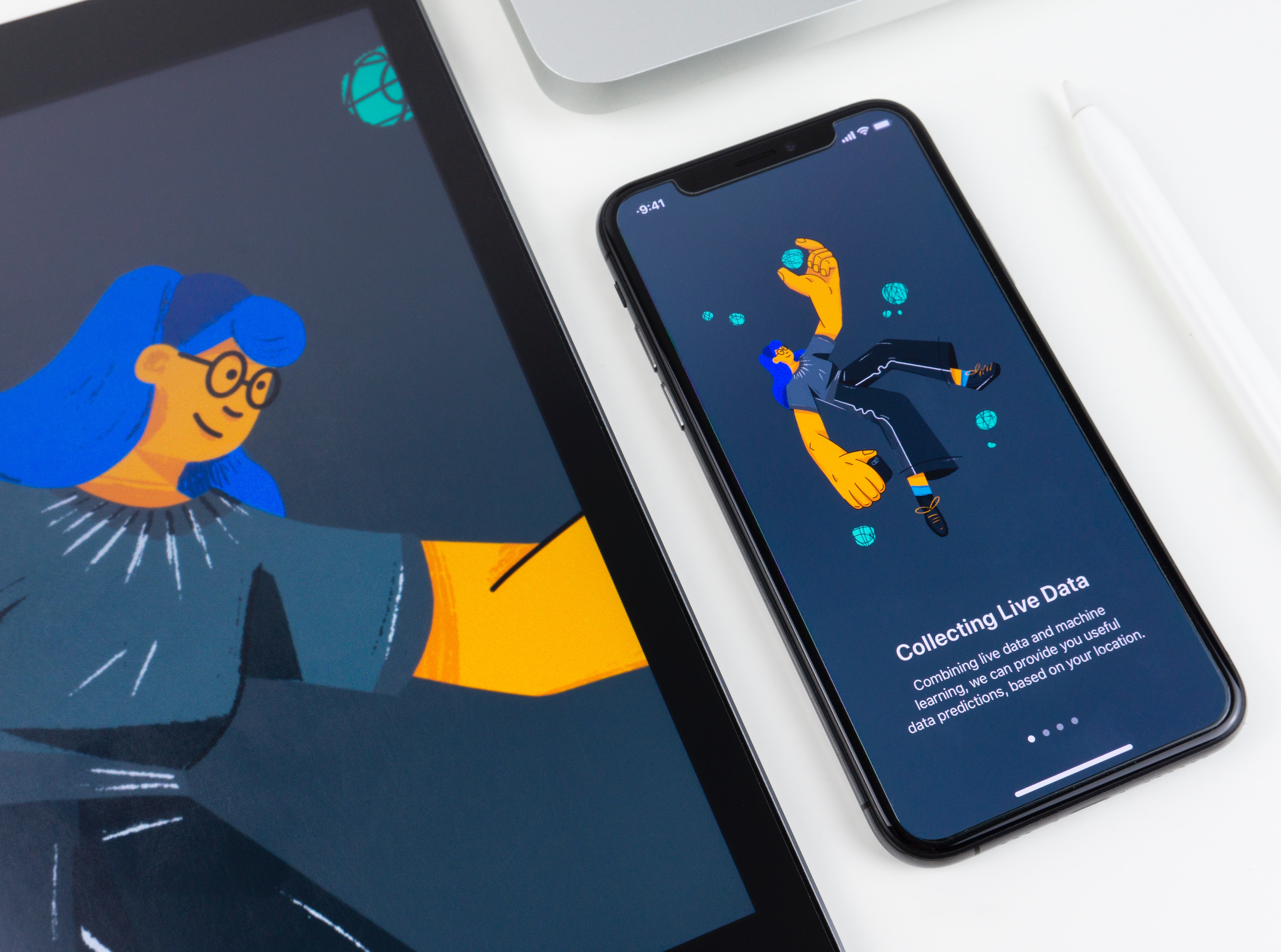
Photo by Balázs Kétyi on Unsplash
Overview
- MVX (MVC, MVVM, MVP, MVU, …)
- Mobile-only Architecture
- General Software Architecture
Photo by Joshua Earle on Unsplash
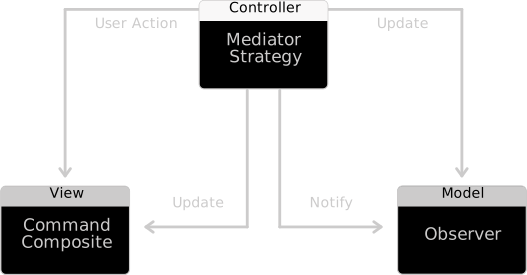
MVX
- Not an Architecture but a high-level design pattern
- Not sufficient for non trivial apps
- May be combined with a software architecture
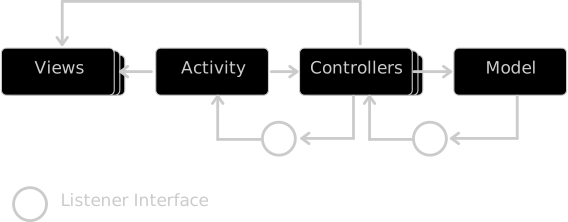
Mobile-only Architecture
- Often OS specific
- Often tightly integrated with only one shape of MVX
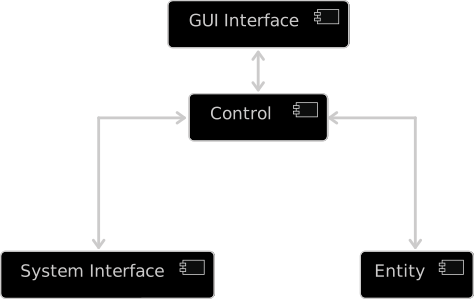
Software Architecture
- Not clear if fitting for mobile applications
- Scant research
Overview
- BCE (Boundary-Control-Entity)
- DDD (Domain Driven Design)
- Hexagonal Architecture (aka Ports and Adapters)
- Onion Architecture
- Clean Architecture
Photo by Joshua Earle on Unsplash
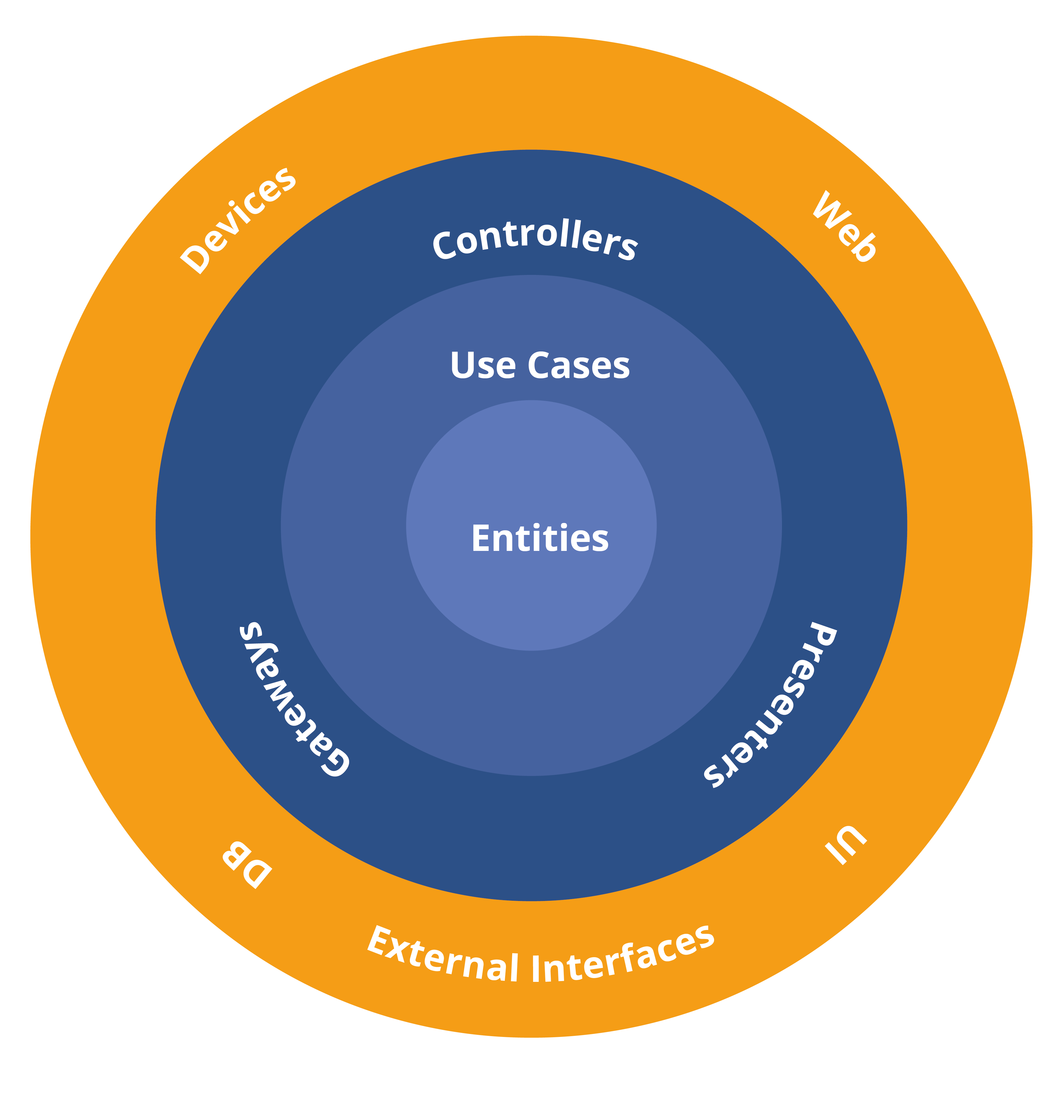
Clean Architecture
- Very popular
- Many misleading mobile implementations
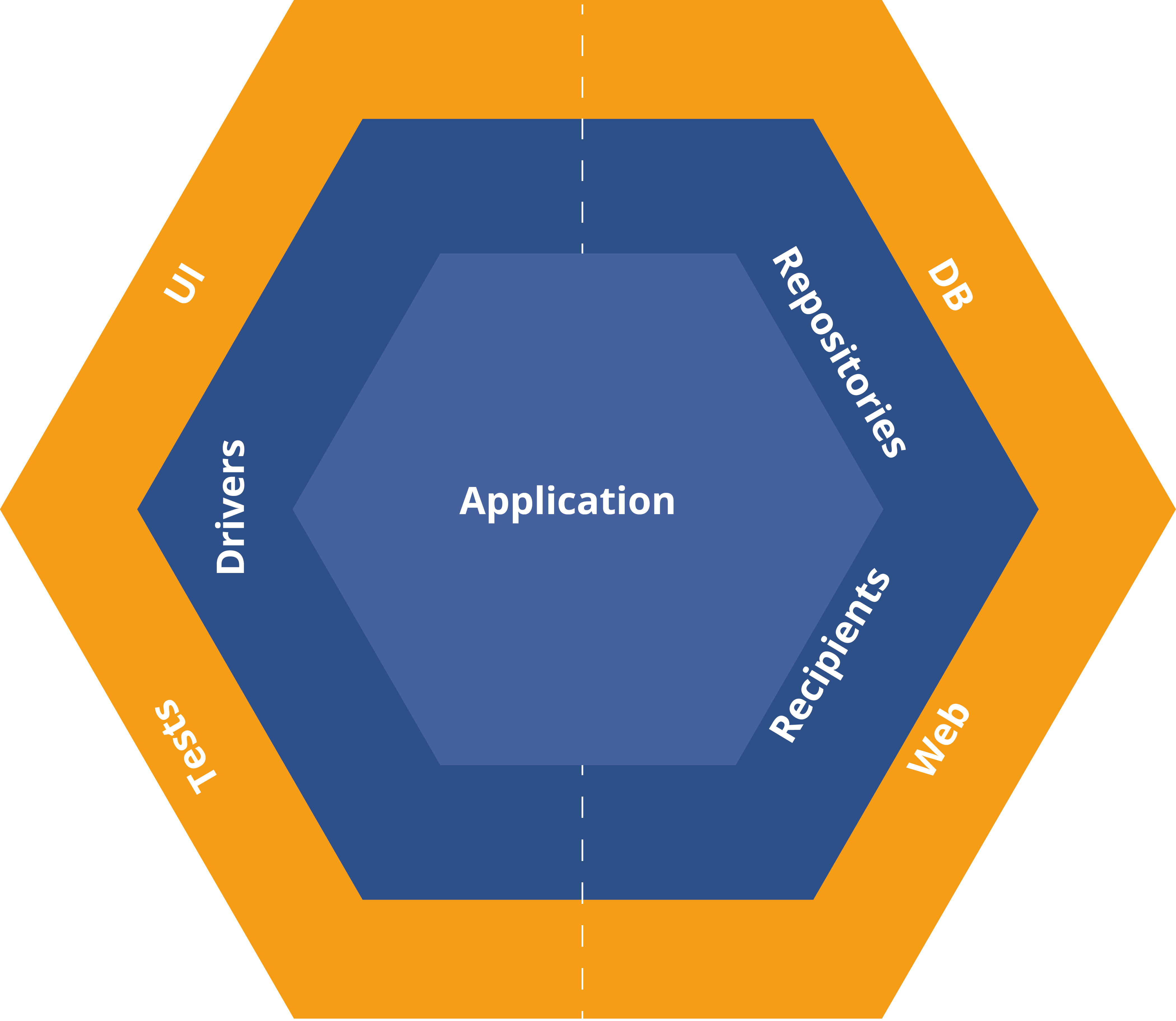
Hexagonal Architecture
- Shares base with clean architecture
- Easy to implement and extend
Overview
- Modularity
- Dependencies
- Concurrency
- Platform Dependency
Photo by Joshua Earle on Unsplash
Modularity
- Seperate into packages
- Use built-in approach

Photo by Ashkan Forouzani on Unsplash
Dependencies
Either
- Dependency Injection Framework
- Manually configurable dependencies

Photo by Sara Bakhshi on Unsplash
Concurrency
- Use newest built-in general approach
- Should be part of the ports

Photo by Faris Mohammed on Unsplash
Platform Dependency
- Application is always independent
- UI may be dependent
- Infrastructure should be split into dependent and independent parts

Photo by Lee Easton on Unsplash
- Most mobile applications should use a software architecture
- Hexagonal Architecture is recommended
- Achieves architectural goals
- Flexible
- Extendible
- Mobile specific challenges can be addressed

Photo by Patrick Perkins on Unsplash